Views: 0 Author: Site Editor Publish Time: 2026-05-24 Origin: Site
Many modern brides love the idea of adding a hidden pop of color beneath their traditional white wedding dress. Sneaking a vibrant hue into your bridal look adds immense personality. It makes for unforgettable, dynamic twirling photos on the dance floor. This unique styling trick draws inspiration from vintage fashion, where bold underlayers often peeked out from full skirts.
However, pairing highly saturated undergarments with pristine white bridal fabrics introduces serious technical challenges today. You face the very real risks of disastrous dye transfer ruining the gown. You also risk unwanted color visibility through thin materials. Furthermore, unexpected silhouette disruptions can ruin the fit of your gown. To avoid ruining your expensive dress, you must approach this trend strategically.
We will provide an evidence-based framework to help you evaluate these hidden risks. You will learn exactly how to determine if your specific dress fabric can handle the vivid color. We will explore which dress silhouettes safely accommodate a vibrant underlayer. By following this guide, you can confidently execute this bold styling choice without compromising your flawless bridal look.
Fabric opacity is the primary filter: Heavy satins and lined ballgowns conceal colored petticoats well; crepe, unlined tulle, and sheath dresses do not.
Dye transfer is a critical risk: High-saturation colored petticoats (especially red, black, or deep blue) require pre-washing and colorfastness testing to prevent staining the wedding dress lining via sweat or heat.
Volume impacts hem length: If you plan to remove a voluminous colored petticoat for the reception, the dress hem will instantly drop several inches, creating a tripping hazard.
Always test under venue lighting: A colored petticoat that looks invisible indoors may show clearly through a white dress under bright sunlight or heavy flash photography.
White fabric acts much like a projector screen. It easily reflects any underlying colors or shadows. Wearing heavily pigmented garments under white typically violates basic bridal styling rules. The vivid color bleeds through visually. Your professional wedding photos will capture this unwanted tint.
You must rely on fabric opacity to hide a Colored Petticoat. Dense bridal materials work best for this trick. They block the light completely. Here are the safest fabric combinations:
Heavy Duchess Satin: Its thick, structured nature completely blocks underlying colors.
Structured Mikado: This stiff fabric provides an excellent opaque barrier.
Multi-layered Organza: Multiple layers diffuse light effectively, especially when paired with thick linings.
These robust fabrics keep your colorful secret safely hidden. They only reveal the bright tones when you intentionally lift the skirt.
You must actively avoid lightweight or clingy fabrics. Thin silk, single-layer chiffon, and unlined crepe will inevitably fail. They reveal both the vivid color and the physical seams beneath. This creates a skirt equivalent of a visible panty line. The structural ridges press against the delicate fabric. This ruins the smooth drape of your dress.
We highly recommend conducting a rigorous lighting stress test. Put on the dress and the undergarment together. Stand under harsh, direct lighting. You can use bright outdoor sunlight or heavy indoor flash photography. Make sure the color remains completely invisible from the outside. If you see even a faint shadow, the pairing is not safe.
Bridal wear chemistry poses another hidden, yet critical, threat. Many affordable, highly pigmented undergarments lack proper colorfastness. Manufacturers often skip expensive dye-setting processes. The dyes remain highly unstable. They easily transfer onto surrounding fabrics under the right conditions.
Environmental triggers significantly accelerate this dye transfer process. Summer weddings create a particularly high-risk scenario. Outdoor photography sessions expose you to direct sun. Physical movement on the dance floor generates heavy sweat and body heat. These factors act as powerful chemical catalysts. They force the unstable dye to bleed. The color will leach from your chosen Petticoat directly onto your gown's expensive interior lining.
You must implement a strict pre-installation testing protocol. Never wear an untested colorful layer under your pristine white dress. Wash the colored garment in a bathtub of cold water first. This risk-assessment step is absolutely mandatory. Do this long before your final fitting. Watch the runoff water closely for several minutes.
If the water changes color at all, the dye is unstable. It is not safe to wear. You will need professional color-setting treatments. Alternatively, you must wash it repeatedly until the water runs crystal clear. Do not skip this step, or you risk permanent stains on your beautiful gown.
Not every dress shape can accommodate extra volume underneath. You need specific silhouettes to support a structured, vibrant undergarment. We have categorized the compatibility below to guide your shopping process.
Dress Silhouette | Compatibility Level | Required Circumference | Notes |
|---|---|---|---|
Ballgowns & Princess | High | 270–370cm | Dense layering easily hides colors and structural hoops. |
A-Line Dresses | Moderate | 190–220cm | Requires substantial dress lining to prevent color show-through. |
Mermaid & Trumpet | Low/Conditional | N/A | Needs a specialized drop-waist design; seam lines often show. |
Sheath & Column | Zero | Do Not Use | Ruins the architectural drape and exposes the undergarment entirely. |
These iconic, fairy-tale shapes require massive volume by design. You typically need 270 to 370cm in circumference to properly support the heavy skirt. The dense fabric layering naturally hides a colored crinoline or hoop skirt underneath. The built-in volume prevents the outer fabric from pulling tight against the underlayer. This makes ballgowns the safest and most visually striking choice for vibrant underlayers.
A-line silhouettes require less volume overall. Aim for an undergarment circumference between 190 and 220cm. A colorful underlayer works beautifully here. It provides a gentle flare. However, you must ensure your dress lining feels substantial enough. Thin linings will betray the color beneath. Always perform the lighting stress test to be absolutely certain.
These dramatic gowns fit very tightly through your hips and thighs. They only flare out around the knees. Standard voluminous undergarments will show harsh seam lines right across your thighs. You cannot easily integrate a pop of color here. You would need specialized drop-waist designs. Even then, the tight fit makes smooth color integration extremely difficult. We generally advise against trying it.
We strongly advise against adding structural undergarments to these shapes. Sheath and column silhouettes rely entirely on a natural, effortless drape. Adding a bulky, colorful layer ruins the architectural intent. It completely exposes the undergarment beneath the delicate fabric. Slit dresses are even worse. The colorful structure will awkwardly protrude through the leg slit.
Many brides fall for the "take it off later" myth. They assume they can wear a voluminous layer for the ceremony and simply remove it later. They think this will make dancing at the reception much easier. This assumption introduces serious structural problems for your gown.
Consider the basic geometry of your tailored gown. The bulky undergarment pushes the fabric outward. This takes up considerable vertical length. Removing the Petticoat causes the outer fabric to fall straight down. Your hem instantly drops several inches toward the floor. Your perfectly tailored dress suddenly transforms into a severe tripping hazard. You will step on your own dress all night long.
You must evaluate your options carefully before making this choice. If you want a heavy, colorful underlayer for photos, prepare for the trade-offs. You have three main evaluation criteria to consider:
Commit to wearing it entirely: Keep the structural layer on all night long. This maintains the correct hemline and prevents tripping.
Prepare a second dress: Change into a completely different reception dress for dancing. This eliminates the hemline issue entirely.
Change your footwear: Switch into significantly taller reception shoes. If the hem drops three inches, you need three-inch taller shoes. This option heavily impacts your comfort later in the evening.
Proper execution requires strict timing and careful choices. Follow this checklist to ensure your bridal look comes together flawlessly on the big day.
Timing Your Purchase: Always buy your wedding dress first. The dress silhouette dictates everything else. You should acquire the colorful underlayer 10 to 12 weeks prior to your wedding day. Do not buy them at the same time.
The Fitting Mandate: Bring the exact undergarment to your seamstress. You must wear it during all alterations. Altering the hem length without it guarantees a completely incorrect fit.
Nude Foundations: Remember to wear seamless nude underwear. Do not wear white underwear beneath the colored layer. Nude shapewear prevents visible lines and color show-through on the upper block of your dress.
To help you decide on the structure, compare the two primary styles:
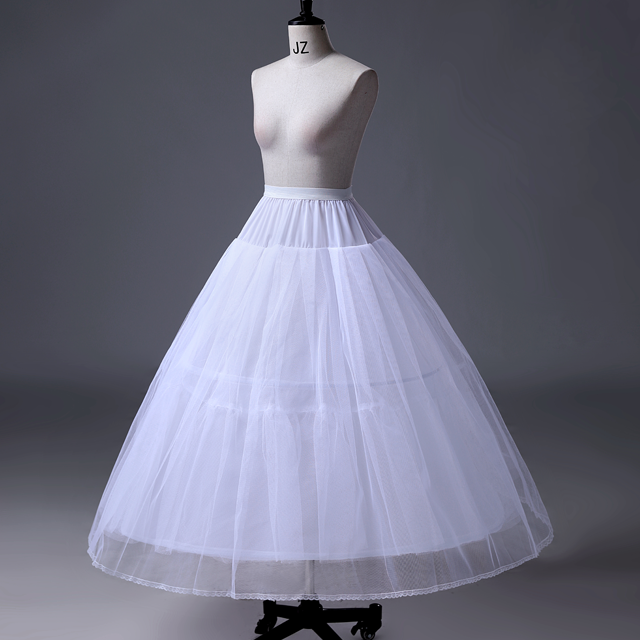
Colored Hoop Skirt: This style uses flexible wire rings. It keeps heavy fabric completely off your legs. It feels much cooler and remarkably lightweight. However, the internal wire structure can feel somewhat rigid when you sit down or hug guests.
Colored Tulle Crinoline: This style uses layers of stiff netting. It offers a softer, more romantic aesthetic. Unfortunately, it feels much heavier and significantly hotter. The extra warmth drastically increases the sweat and dye-transfer risk we discussed earlier.
Wearing a vibrant underlayer beneath a white wedding dress makes a brilliant, bold statement. It creates a highly viable, high-impact styling moment for any modern bride. However, it only works safely if your dress is a heavily lined A-line or ballgown. You simply cannot force this trend onto sheer, thin, or form-fitting silhouettes.
You must secure your dress silhouette before doing anything else. Once you confirm compatibility, order your vibrant underlayer early. Perform a cold-water dye test immediately to prevent tragic stains. Finally, bring it to your very first tailoring appointment to nail the perfect hem length. These proactive steps protect your beautiful gown while giving you the unforgettable photo opportunity you desire.
A: Yes, if the dress is made of thin crepe, unlined chiffon, or if tested under harsh backlighting. Heavy satin and thick linings usually conceal it.
A: Yes. Dark or bright colors like red and black can bleed dye onto the dress lining due to body heat and sweat. Always wash and test for colorfastness beforehand.
A: Yes, A-line dresses typically require a petticoat with a circumference of 190–220cm to provide the correct volume without over-stretching the fabric.
A: Nude, seamless undergarments. Even with a colored petticoat, seamless nude shapewear prevents visible lines and color show-through on the upper block of the dress.