Views: 0 Author: Site Editor Publish Time: 2026-06-02 Origin: Site
Bridal appointments happen in a highly emotional and high-stakes environment. Sample dresses rarely fit perfectly on the very first try. Visual presentation ultimately drives the bride's final purchasing decision. If she cannot see the intended shape, she will walk away.
Modern bridal fabrics often lack inherent structural support. This gap creates immediate problems on the showroom floor. Silhouettes collapse inward, leaving gowns looking flat and lifeless. You cannot sell a luxury vision when the garment fails to hold its shape.
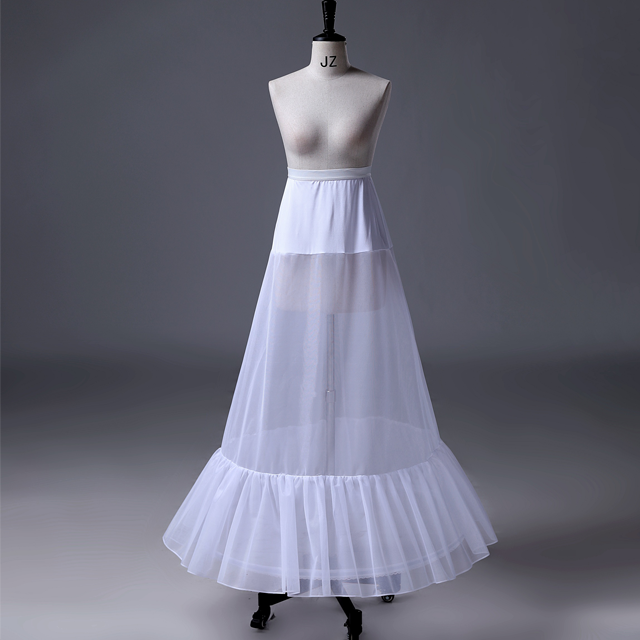
We must reframe how boutiques utilize foundational garments. A balanced volume bridal petticoat operates as a critical operational tool for stylists. It is never just an optional accessory. Proper underlying structure secures the sale and sets highly accurate alteration expectations.
Fitting Predictability: A balanced volume bridal petticoat establishes a reliable foundation, showing the bride the true silhouette before costly alterations begin.
Inventory Efficiency: Transitioning from highly specialized, extreme-volume underskirts to versatile, balanced-volume options reduces backroom storage requirements.
Alteration Accuracy: Proper structural support during the initial fitting prevents miscalculations in hemming and taking-in, reducing liability for the shop's seamstresses.
Increased Conversion: Bridging the gap between the "hanger look" and the "try-on reality" directly addresses the most common point of friction in the buyer's journey.
Pinning a dress without proper underlying structure carries immense risk. We call this the "pin-and-pray" reality. Fabric simply collapses under its own weight. The bride immediately loses confidence in the garment's potential. She needs to see the final shape right now in the mirror. Relying on a client's imagination simply does not work in modern bridal retail. They want instant visual confirmation.
Skipping a standardized bridal petticoat during the initial fitting invites absolute disaster. It leads directly to highly inaccurate hem measurements. Seamstresses often face a one to two-inch margin of error when structures shift. This sizing mistake demands heavy, time-consuming rework later. You protect your alteration department by setting a consistent foundation on day one.
Brides frequently voice their frustrations online. They complain on forums stating the dress "doesn't look like the designer's photo." You must proactively solve this structural disconnect. A collapsed skirt shatters the luxury fantasy. Shops must build the silhouette properly to match the catalog imagery. When the mirror reflects the designer's exact vision, the client relaxes.
Premium underskirts offer a highly natural add-on at checkout. Shops failing to use them miss out entirely. You lose a seamless upsell opportunity during the most critical try-on phase. Introducing the structure early makes it part of the complete bridal package. Stylists secure higher margins effortlessly when they integrate these pieces into the primary styling routine.
Traditional bell-shaped hoops feel entirely too rigid for contemporary brides. Conversely, flat slips offer zero structural support. We must move beyond these frustrating extremes. A balanced volume approach combines graduated tulle layers alongside flexible, subtle boning. This specific hybrid construction delivers shape without stiffness. It mimics the natural drape of high-end couture garments.
Heavy fabrics like satin and mikado require serious under-support. We must distribute their weight evenly across the entire skirt. You want to avoid creating a rigid, unnatural lampshade effect. Balanced volume models hold the heavy fabric away from the legs. They allow light to catch the material's natural folds gracefully. The gown looks rich, full, and dynamic.
A seamless transition from waist to hip remains a strict technical requirement. The structure must never add bulk to the bride's natural waistline. Fitted bodices demand incredibly smooth underlying foundations. Manufacturers achieve this using flat spandex or soft lycra yokes at the top. The volume only begins expanding below the high hip bone.
Boutiques absolutely need durable, anti-static materials. These garments must withstand multiple sweaty try-ons daily. Quality materials retain their structural rebound over time. Inferior tulle crushes easily and never regains its original bounce. We prioritize fabrics engineered for heavy commercial showroom environments.
Feature | Traditional Hoops | Standard Flat Slips | Balanced Volume Design |
|---|---|---|---|
Visual Shape | Stiff, bell-like, rigid | Flat, collapses easily | Natural drape, graduated flare |
Mobility | Restricts sitting down | Tangles around legs | Moves fluidly with the bride |
Waist Integration | Often bulky at waist | Smooth but unsupportive | Seamless spandex yoke |
Fabric Support | Holds heavy satin easily | Fails under mikado weight | Distributes heavy loads evenly |
You must assess how well one style serves multiple dress cuts. A single premium model should seamlessly support A-lines, modified A-lines, and soft ballgowns. Limit unnecessary SKU bloat by prioritizing versatile models. A lean backroom inventory speeds up the stylist's workflow. They spend less time searching and more time selling. Cross-functional designs maximize your showroom efficiency.
Evaluate fabric resilience thoroughly before committing to a supplier. Can staff easily steam the material between appointments? Do they retain their shape after tight compression in garment bags? High-maintenance inventory drains your staff's limited energy. You need pieces ready for immediate floor use. Rapid recovery materials save countless hours of steaming.
Modern brides remain highly skeptical of uncomfortable layers. They will reject any structure restricting movement or feeling scratchy. Evaluate internal linings and hoop flexibility closely. You must run physical tests before stocking any new design. Comfort directly impacts the emotional connection she feels toward the gown.
Follow this numbered testing protocol for new inventory:
The Sit Test: Have a stylist sit in a standard showroom chair wearing the underskirt. Ensure the front does not fly up aggressively.
The Walk Test: Pace across a carpeted floor. Confirm the fabric stays away from the shins.
The Spin Test: Turn quickly. Watch how fast the tulle rebounds to its original shape.
The Scratch Test: Check all interior seams against bare skin. They must feel completely soft.
Train your stylists to act preemptively during every single appointment. They should introduce the underskirt before the bride complains about a flat dress. Make this a strictly standard step for specific silhouettes. Do not ask for permission to use it. Frame it as the necessary foundation for the gown. Confident stylists dictate the proper fitting protocol.
Address modern hesitation directly and consistently. Many brides associate these items solely as outdated, overwhelming volume. Train staff to reframe the entire conversation. Call it "structural support" or "silhouette balancing." Language shifts perception instantly. Once she feels the fabric lift off her legs, the hesitation vanishes. Seeing the immediate visual improvement seals the deal.
Address logistical challenges transparently within your team. You must fold these garments less aggressively than standard slips. Provide clear best practices for backroom storage. Proper handling extends the lifespan of your sample inventory significantly.
Implement these handling best practices in your boutique:
Hang versatile volume structures upside down using specialized clip hangers.
Never crush flexible boning under heavy sample gowns in tight racks.
Roll tulle layers loosely instead of folding them into hard squares.
Steam the outer layers weekly to maintain optimal presentation quality.
Compare the upfront effort of sourcing a premium balanced volume bridal petticoat against long-term operational relief. Quality support cuts alteration hours drastically. It establishes a fixed baseline for the seamstress. Furthermore, it directly increases first-appointment closure rates. You convert more unsure brides when you present a flawless, completed vision.
What should you look for in a reliable supplier? Demand consistent sizing and fast restock capabilities. Delays in foundational garments stall your entire delivery timeline. Dropshipping options for brides also streamline operations wonderfully. Check our detailed bridal petticoat sourcing guidelines for operational clarity. Partner with vendors understanding showroom demands.
Shop owners must take immediate action to upgrade their inventory. Stagnant backrooms hurt sales conversions.
Next-Step Actions | Expected Outcome |
|---|---|
Audit current backroom stock immediately. | Identify and discard crushed, unrecoverable tulle slips. |
Order 2-3 sample balanced volume skirts. | Provide stylists with high-quality tools for floor tests. |
A/B test them on the floor for two weeks. | Revive difficult-to-sell sample gowns using better structure. |
Successful bridal retail relies entirely on removing friction from the bride's imagination. You must show her the final, polished vision immediately. Leaving the silhouette to chance endangers the entire appointment. Stylists need dependable tools to execute their creative presentations flawlessly.
A balanced volume foundation acts as a high-impact operational tool. It actively protects the integrity of the dress design. It guarantees the accuracy of the seamstress's measurements. Most importantly, it defends the reputation of the boutique. High standards build lasting client trust.
We prompt all shop buyers to review their current vendor lists today. Discard underperforming structural wear. Prioritize versatile, reliable support systems for the upcoming bridal season. Equip your stylists for ultimate success.
A: Yes, in many cases. Built-in crinoline often degrades after multiple showroom try-ons. A separate, balanced volume bridal petticoat restores the designer's intended shape and prevents the fabric from folding between the bride's legs when walking.
A: For operational efficiency, stock at least three core sizes (e.g., Small, Large, and Plus/Curve). Choose styles with adjustable waistbands (drawstring or wide spandex panels) to accommodate fluctuating sample sizes.
A: No. Balanced volume structures are designed for A-lines, ballgowns, and structured fit-and-flares. For ultra-thin, bias-cut fabrics, stylists should rely on seamless shapewear rather than volume-adding underskirts to avoid visible lines.
A: Language matters. Shift the terminology from "adding poof" to "keeping the dress off your legs so you can walk comfortably." Demonstrate the visual difference in the mirror, emphasizing the smooth drape over the balanced structure.