Views: 0 Author: Site Editor Publish Time: 2026-06-05 Origin: Site
Walking down the aisle is a profoundly emotional milestone. You want every eye on your radiant smile, but heavy bridal gowns frequently suffer from fabric collapse while moving. Traditional cheap crinoline addresses volume but creates an audible, distracting rustle. It also triggers uncomfortable skin irritation throughout the day. Modern bridal styling demands a thorough evaluation of these unseen foundations. Your choice involves much more than simply adding fullness to a skirt. It requires careful attention to the acoustic profile, significant friction reduction, and sustained physical endurance for an event lasting over 12 hours. This guide examines the structural and sensory benefits of upgrading to a premium underskirt. You will gain a clear framework for selecting the perfect match for your dress. We show you how to enhance your silhouette without sacrificing crucial mobility.
Acoustic & Tactile Control: A quiet swish wedding petticoat uses premium soft linings to mask the sound of stiff tulle, preventing the distracting "crunch" when walking down the aisle.
Structural Integrity: Proper petticoats prevent fabric from collapsing between the legs, significantly reducing tripping hazards.
Temperature Regulation: By holding heavy dress layers away from the skin, structured underskirts improve airflow and reduce trapped body heat.
Silhouette Matching: Selection requires aligning the petticoat's tier and hoop count directly with the gown’s cut (e.g., A-line vs. Ballgown) to ensure proportional volume.
Dresses fail to hold their shape in motion without strong foundational support. Gravity inevitably pulls heavy fabrics downward. The material collapses inward as you walk. This creates a tangled mess around your ankles. You must understand the physical mechanics of heavy bridal wear. Even lightweight fabrics lose their structured shape under their own weight. The right support frame prevents this inward collapse.
Mobility relies heavily on proper weight distribution. Luxurious fabrics carry significant physical weight. An underskirt distributes this weight away from your legs. It shifts the burden from your lower body to the structured frame. This creates a supportive bell of air around your legs. You no longer carry the full weight of the gown on your thighs. Your strides become smoother and require far less effort.
Tripping hazards dominate bridal forum discussions. Brides frequently share stories about catching their heels on delicate lace. Heavy hemlines fold inward during slow processional walks. A structured underskirt acts as a reliable physical bumper. It pushes the hemline out and away from your body. This keeps the dress completely clear of your shoes during the processional. It also provides essential leg clearance for your first dance.
Consider the primary benefits of structural support:
It maintains the designer's intended silhouette throughout the day.
It frees your legs for a natural walking rhythm.
It reduces the risk of tearing delicate lace overlays with your heels.
It prevents the gown from bunching awkwardly in photographs.
Expert bridal stylists constantly emphasize foundation wear. Choosing a structured wedding petticoat prevents frustrating mobility issues. You secure both safety and aesthetic perfection by supporting the dress from underneath.
Traditional tulle hides a harsh acoustic reality. Cheap, unlined stiff netting creates immense friction. The structural layers rub together constantly as you move. This leads to a loud, crinkly noise. The sound easily distracts guests during quiet, intimate ceremony moments. Unlined netting also causes severe skin chafing over time. The stiff fibers scratch against bare legs endlessly. This ruins your comfort long before the reception begins.
Engineering a premium quiet swish wedding petticoat demands highly specific materials. Internal linings play a crucial role in sensory control. Smooth microfiber, natural silk, or high-grade satin must sit directly against the skin. These materials provide a luxurious, soothing tactile experience. They wick away moisture and glide smoothly over your legs.
These soft linings also act as vital friction barriers. They encase the stiff shaping layers completely. This protective barrier mutes any abrasive sounds. It transforms a harsh crunch into an elegant, subtle swish. The sound mimics the gentle rustle of falling leaves rather than crumpling plastic. You control the acoustic profile of your entrance perfectly.
Skin sensitivity requires careful evaluation. You will wear this specific garment for many hours. Hypoallergenic materials prevent unexpected allergic reactions. Scratch-resistant layers ensure uninterrupted all-day comfort. Your focus must remain strictly on celebrating.
Acoustic and Tactile Comparison Chart | ||
Feature | Traditional Cheap Crinoline | Premium Quiet Swish Underskirt |
|---|---|---|
Acoustic Profile | Loud, distracting crinkle | Soft, elegant whisper |
Skin Contact | Abrasive, scratchy nylon | Smooth silk or microfiber |
Friction Level | High friction between layers | Low friction encased layers |
Endurance | Causes chafing after 2 hours | Comfortable for 12+ hours |
Common mistakes occur when brides ignore the acoustic properties of their foundation wear. Always test the sound of your underskirt in a quiet room before purchasing. You must trust the materials against your skin and your ears.
Matching your underskirt directly to your dress silhouette is critical. Each gown style demands a highly specific structural foundation. A mismatched support layer distorts the entire shape of the dress. It can stretch seams or cause ugly fabric bunching.
A-Line gowns require gradual volume expansion. They flow smoothly outward from the natural waist. You need a solution preventing the exaggerated bell effect. We recommend one-to-two hoop structures for this silhouette. Moderate layered tulle also works beautifully. These options support the fabric gracefully without overextending the hemline. The dress maintains its classic uppercase A shape.
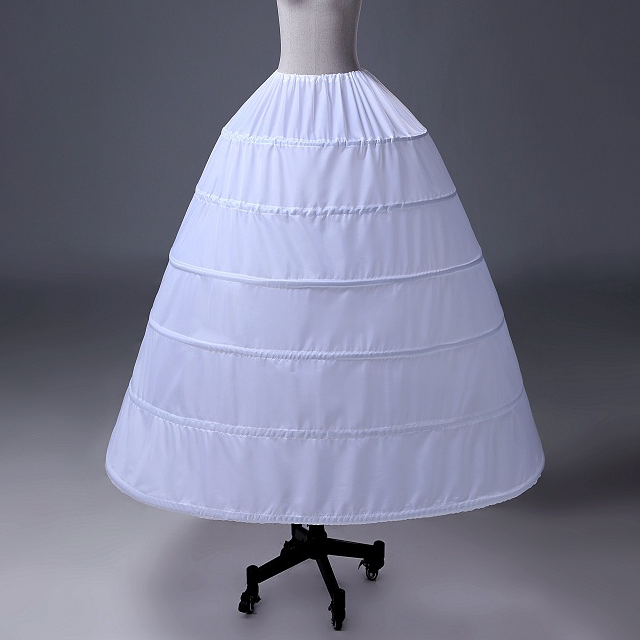
Ballgowns demand maximum, sustained structural volume. They carry massive amounts of heavy fabric. A weak foundation simply crushes under this immense weight. Multi-tiered, multi-hoop skirts provide the best solution here. They bear heavy loads easily without collapsing inward. You achieve dramatic fullness perfectly scaled to the dress proportions.
Mermaid and fit-and-flare styles present unique structural challenges. They require a strictly low-profile upper section. They need high volume strictly below the knee. Lycra or spandex upper waistbands offer the ideal solution. They hug the hips tightly and transition smoothly into soft tulle flares. This specific design prevents visible seam lines from showing through your outer dress.
Follow these silhouette alignment rules:
Identify your exact dress cut before shopping for underskirts.
Measure the widest point of your gown's hemline.
Select an underskirt circumference slightly smaller than the dress hem.
Verify the transition point for mermaid styles hits exactly at your knee.
Choosing the correct foundation elevates the entire look. A tailored wedding petticoat enhances the designer's original vision flawlessly.
Navigating a 12-hour event introduces distinct practical challenges. You must understand the physical mechanics of wearing structured foundation garments. Real-world mobility looks very different from standing still on a fitting pedestal.
Sitting down requires specific physical techniques. Hooped underskirts behave entirely differently than unhooped ones. You must gently lift the top hoop slightly outward before sitting. This action guides the lower rings safely away from the chair. It prevents the back of the skirt from flipping up abruptly into your face. Practice this movement carefully until it feels natural.
Restroom logistics require realistic expectations. Managing multiple dress layers takes incredible patience. You cannot rush this process. Gather the underskirt and gown together tightly. Lift them upward as a single, combined unit. Many brides find a dedicated bridal party helper essential for this specific task. Facing the toilet rather than sitting normally often keeps the dress bulk safely behind you.
Heat management constantly surprises new brides. You might logically assume an extra fabric layer causes immediate overheating. The physical reality often proves the exact opposite. A hoop structure successfully holds the heavy gown away from your legs. It creates a spacious pocket of circulating air underneath the dress. This improved air circulation significantly reduces trapped body heat. It stops damp skin from clinging to the heavy satin.
Best practices for 12-hour endurance include pacing yourself. Take moments to adjust the waistband. Smooth down the internal linings periodically. Wearing a reliable quiet swish wedding petticoat handles the thermal and sensory demands effortlessly.
You must evaluate several key physical factors before finalizing your purchase. Rushing this decision often leads to uncomfortable wedding day surprises.
Prioritize adjustability above all else. Look strictly for drawstring or high-quality elastic waists. Wedding planning routinely causes minor body weight changes. Stress and diet adjustments play a major role in these fluctuations. Adjustable waists easily accommodate these pre-wedding changes. They also provide much-needed comfort immediately after the reception dinner.
Check hoop malleability very carefully. Seek out flexible, coated metal or advanced plastic boning. These materials bend easily when pressed against solid obstacles. They quickly return to their original circular shape. You will navigate narrow doorways and tight reception tables constantly. Rigid wire often snaps or warps permanently under sudden pressure.
Length calibration remains absolutely vital for success. The underskirt must measure exactly one to two inches shorter than your outer dress hem. It must remain completely invisible while you walk naturally. Measure from your natural waistline down to your ankle bone. Always account for your actual wedding shoe height during this measurement process.
Always review return policies thoroughly. You must conduct practical trial runs. Test the underskirt during an actual, professional dress fitting. Walk around the bridal salon at a normal pace. Sit in several different chairs. Practice your first dance steps. Verify the volume support and acoustic discretion simultaneously before making a final commitment.
Investing in a high-quality underskirt completely transforms your wedding day. It successfully shifts the bridal experience from enduring physical discomfort to enjoying effortless mobility. You eliminate the distracting noise of cheap tulle and prevent painful skin chafing. The right foundation holds your dress perfectly, preventing dangerous tripping hazards while keeping you pleasantly cool.
Your next steps involve practical, real-world testing. We highly recommend booking a final dress fitting specifically to test underskirt options. Bring your actual wedding shoes to this appointment. Advise your stylist that you want to walk, sit, and mimic dancing. Verify both the volume expansion and the acoustic discretion. Secure a foundation that lets you celebrate with absolute confidence.
A: Yes, many premium styles feature adjustable or removable hoops via small fabric casings, allowing you to customize the volume and stiffness. You can simply slide the boning out to reduce the overall circumference and achieve a softer, more relaxed silhouette.
A: While it is an extra layer, a hooped petticoat actually improves airflow by keeping heavy dress fabrics from clinging to your damp skin. Opt for cotton-blend linings for maximum breathability. The structured gap creates a cooling tunnel of air around your legs.
A: It depends on the volume. Tulle dresses often have built-in layers, but an external petticoat provides a smoother walking tunnel and prevents the dress's tulle from tangling between your legs. It also protects your sensitive skin from the scratchy internal dress layers.
A: Measure from your natural waist (where the skirt will sit) down to your ankle bone, ensuring you account for the height of your wedding shoes. The petticoat should finish slightly above the dress hem. It must remain completely invisible while you move naturally.